
Diagnosis: Too Adult. Treatment? Steal Play Back From Your Children! It’s the Best Free Therapy There Is.
It’s 10:30 PM. You’re sitting in the kitchen, blue light from the stove hood illuminating your face, and you look like someone performing heart surgery. But you’re not holding a scalpel. You’re holding tweezers and a millimeter-sized piece of plastic that is supposed to become the side mirror of a 1974 Porsche model.
Your wife probably thinks you’ve lost your mind.
Your boss wouldn’t understand why someone with your salary spends the night carefully assembling a toy.
But you know something they don’t:
In this moment, you’re saving your sanity.
The Curse of the “Serious” Adult
We live in a time where exhaustion is worn like a medal. If you’re not burned out, you must not be important. Modern adults don’t play anymore. Modern adults “optimize.” We track sleep, count steps, hack productivity.
Somewhere between all those spreadsheets, we lost the ability to just be.
Brené Brown, the icon of modern psychology, said it perfectly:
“The opposite of play is not work. The opposite of play is depression.”
When we stop playing, we begin to dry out inside. We become predictable, boring — and worst of all — fragile. One strong blow from life and we break, because we’ve lost the elasticity of a child.
A Story About a Man Who Saw Differently
You know the quote: “Stay hungry, stay foolish.”
Steve Jobs didn’t say that randomly.
He knew that the moment you stop being “foolish,” the moment you lose that childlike curiosity that makes you try things simply because they’re interesting (not necessarily profitable), you’re finished.
Jobs loved calligraphy. Completely impractical for a businessman, right? Yet that “playing with letters” later gave the Mac its beautiful fonts that changed the computer world.
Play isn’t a waste of time.
It’s the highest form of research, as someone once said (maybe Einstein, maybe someone equally playful).
Why You Need a “Useless” Hobby
Maybe you’re thinking:
“Drawing? Model building? I don’t have talent for that!”
Stop. That’s exactly the adult ego talking — and it needs to be muted.
Hobbies aren’t about the result. They’re about the process.
When you build LEGO or color in an anti-stress coloring book, something magical happens. Psychologists call it flow — a state where your brain stops worrying about tomorrow’s deadline and focuses on one simple thing: making that yellow brick fit onto the red one.
In that moment, your cortisol (the stress hormone) packs its bags. Your hands create something tangible, while your digital work life often feels invisible.
You need to see the result of your effort.
You need to feel texture.
You need to control at least the small world on your table when the outside world feels chaotic.
George Bernard Shaw Was Right
He once wrote:
“We don’t stop playing because we grow old; we grow old because we stop playing.”
Look at people in their seventies who still have a spark in their eyes. What do they do?
They have workshops. They collect stamps. They play chess in parks. They paint landscapes. They’re “crazy” enough to refuse the dry, overly serious adulthood society demands.
Why “Childish” Hobbies Are So Healing for Adults
Activities like model building, LEGO, drawing, painting, woodworking, gluing, assembling — they share four powerful anti-stress qualities:
1) They occupy your hands → and calm your mind
Manual, focused activity shifts the brain from “problem-solving mode” to “here and now.”
It’s mindfulness without incense. Just you, the table, the paint, the piece.
2) They give you quick, tangible feedback
Work often doesn’t have a clear “done.” Projects drag on. Conflicts repeat.
With a hobby, after 30 minutes you see progress. Your brain loves that.
3) They give you control over a small world
Stress is often the feeling that things are beyond you.
With a model, you’re in charge — the pace, the order, the details. No one is pushing you. And that’s healing.
4) They activate a different part of your brain
Creative activity often leads to the flow state described by psychologist Mihály Csíkszentmihályi — complete immersion where time disappears and overthinking fades.
Ironically, one hour of LEGO can leave you more rested than one hour on social media.
“Isn’t the Gym Enough?” (Why Exercise Isn’t the Same as Play)
Here comes the classic objection:
“Why would I fiddle with plastic pieces? When I’m stressed, I run, lift weights, hit the punching bag. That’s my reset.”
Truth: Exercise is fantastic. It’s a powerful pressure release.
But sport and quiet hobbies push different buttons in your nervous system.
Exercise = releasing steam
You burn off adrenaline and cortisol. Your body understands: “The fight is over.” Sleep improves. Mood improves. Ego feels strong.
Hobby = reassembling the system
Quiet activities shift you into the parasympathetic state — deep recovery, digestion, true calm. While sport often keeps you in performance mode, model building trains gentle focus and patience.
No stopwatch.
No heart-rate monitoring.
No competition.
The Trap of “Performance Sport”
Many people use sport as another form of performance obsession.
You still push.
Still track numbers.
Still compete.
After training, you may be physically exhausted but mentally still tense.
You’re a tired warrior — not a relaxed human.
If you can’t simply be without your phone or a performance goal, exercise alone probably isn’t enough.
The Best Anti-Stress Formula? Combine Both.
If I had to prescribe mental resilience:
- Exercise 2–4 times a week → to release pressure.
- Quiet hobby 15–30 minutes daily → to truly switch off.
The gym helps you not explode.
LEGO or drawing helps you find yourself again.
The Greatest Life Hack: Steal Play From Your Children
Here’s the best part.
If you have children at home, you already have a free ticket to psychological paradise.
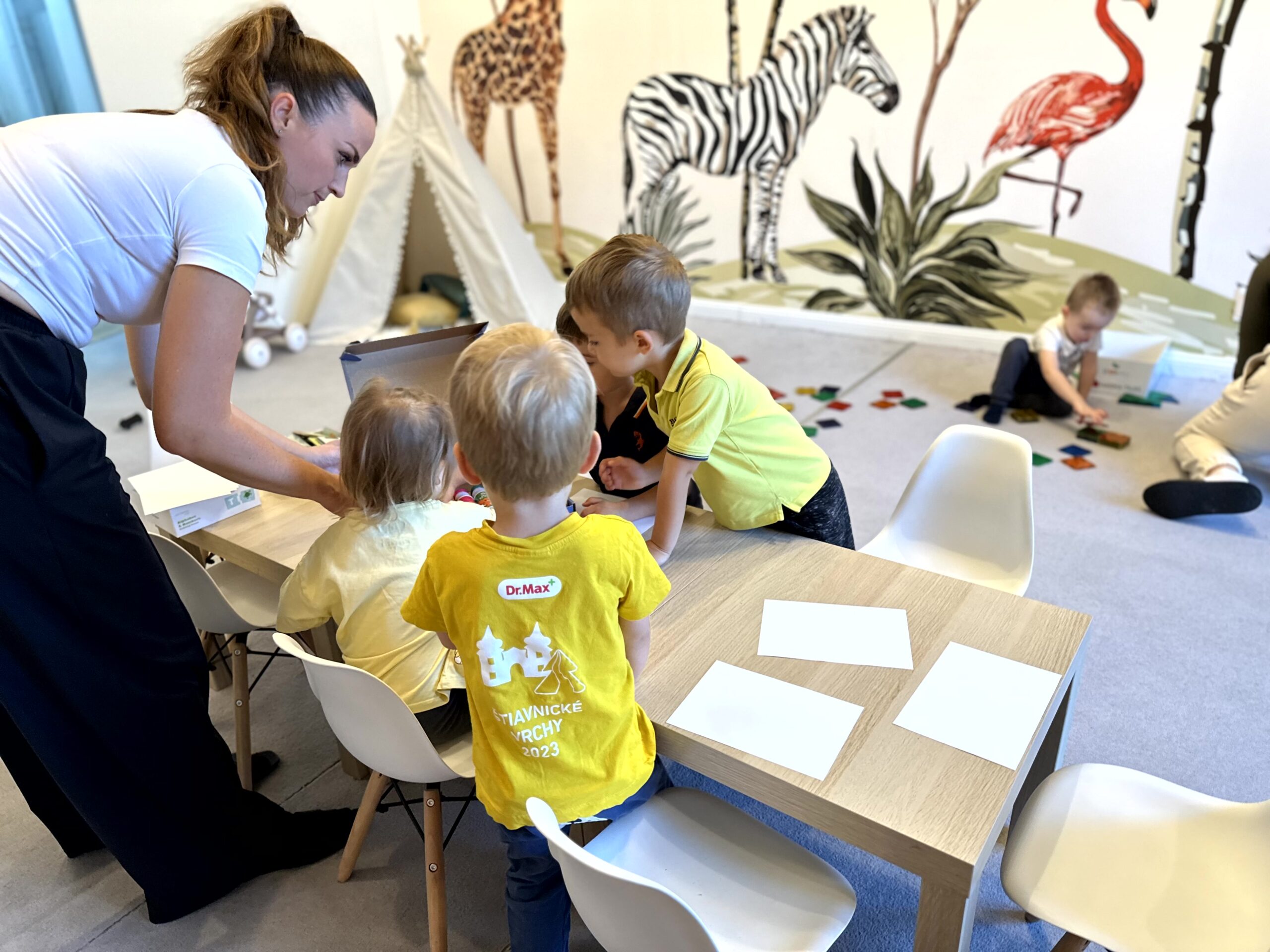
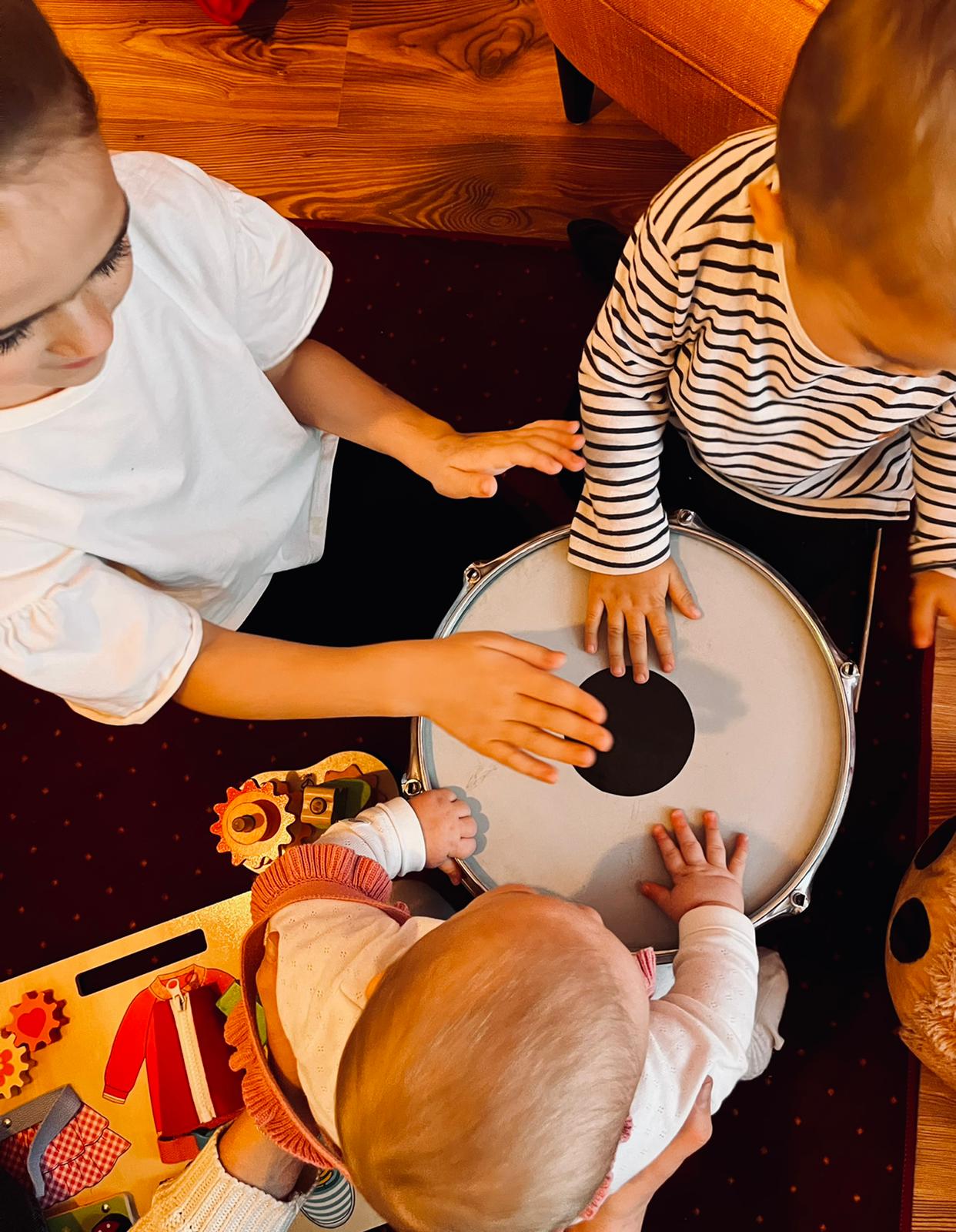
Instead of saying, “Go play, I have important things to do,” sit on the floor with them. No phone. No instructing. Just join their pillow-fort construction.
It’s the purest win-win:
For your child:
You’re present. You show their world matters. You build a bond no expensive gift can replace.
For you:
They teach you how to return to the present moment. How it’s okay to build a tower — and laugh when it falls.
Playing with your children is free therapy. It relaxes facial muscles, clears your mind, and reminds you who you were before the world told you to be “productive.”
A Summary for the Overwhelmed
Play isn’t a luxury for people with time.
Play is an emergency exit for people without it.
So tonight, when the house grows quiet, don’t reach for the remote. Don’t reach for your phone.
Take out the paints.
Pull out those old models.
Steal a few LEGO bricks from your kids.
Be foolish.
Be childlike.
Because that’s the only way to remain a sane adult.
Your Team CARNIVAL
📞 +421 915 246 038